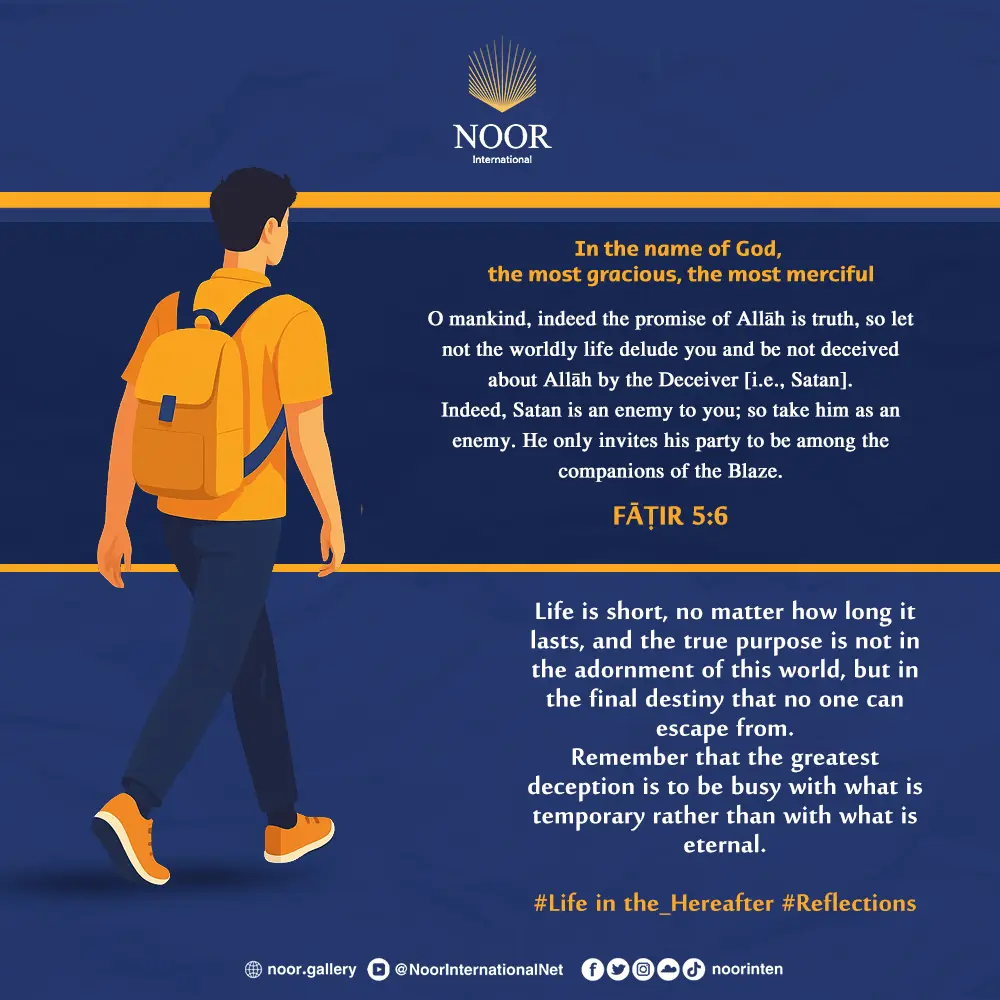
Life is short, no matter how long it lasts, and the true purpose is not in the adornment of this world, but in the final destiny that no one can escape from. Remember that the greatest deception is to be busy with what is temporary rather than with what is eternal.
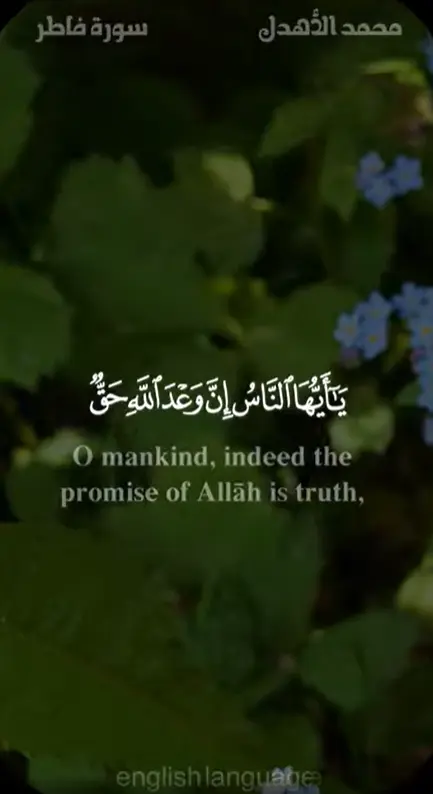
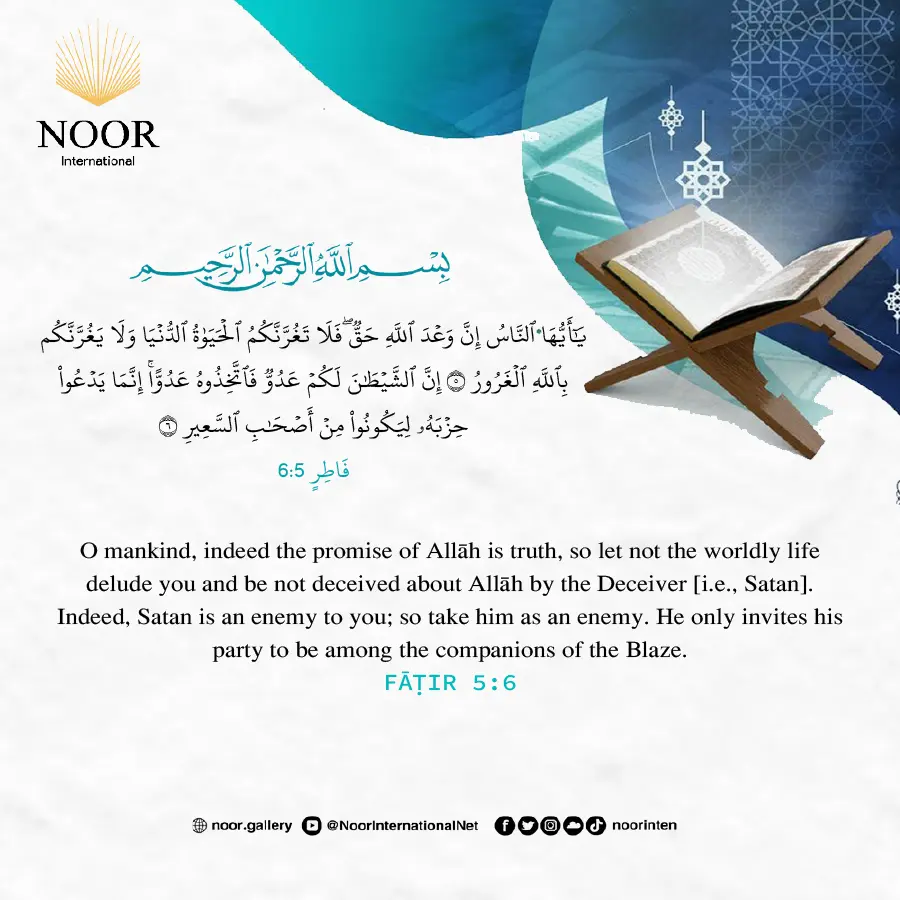
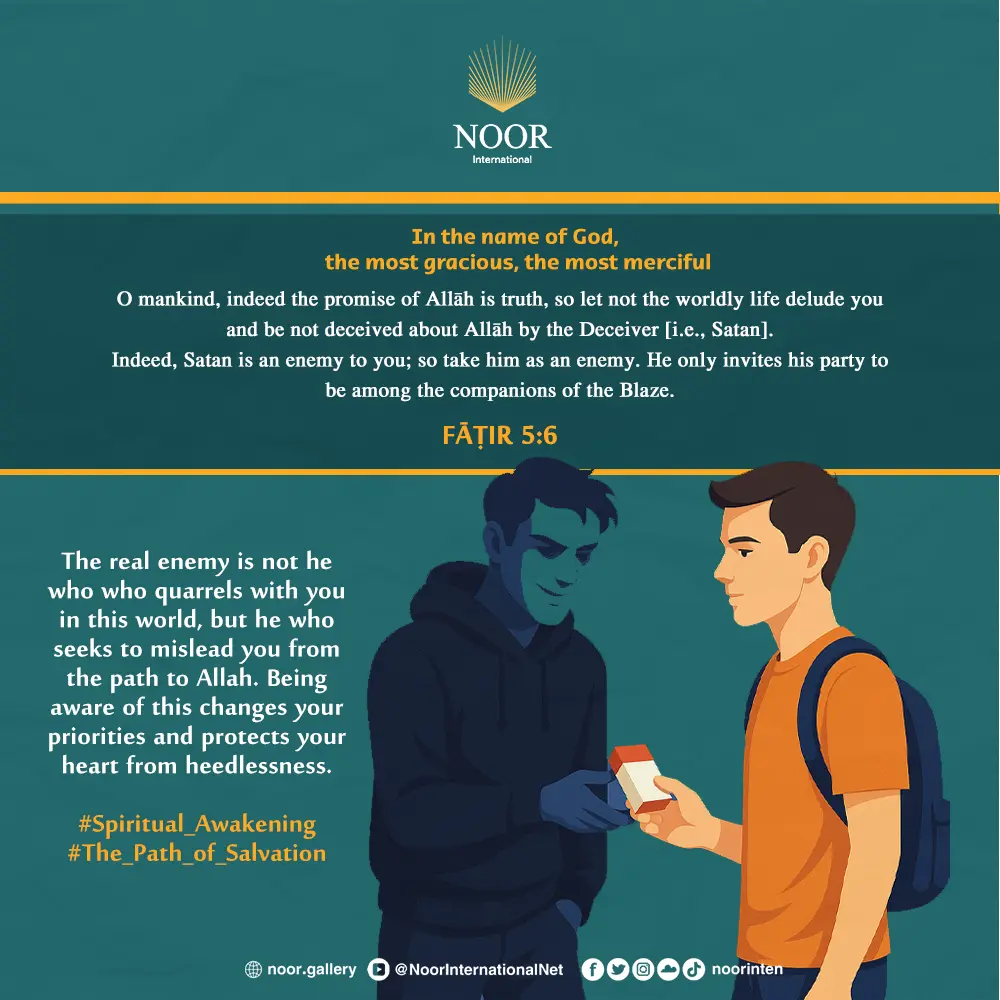
5.“O mankind, indeed the promise of Allah is truth, so let not the
worldly life delude you and be not deceived about Allah by the
Deceiver [i.e., Satan].
6. Indeed, Satan is an enemy to you; so take him as an enemy. He only
invites his party to be among the companions of the Blaze.”
[ Fatir: 5-6]
Life is short, no matter how long it lasts, and the true purpose is not in the adornment of this world, but in the final destiny that no one can escape from. Remember that the greatest deception is to be busy with what is temporary rather than with what is eternal.
5.“O mankind, indeed the promise of Allah is truth, so let not the
worldly life delude you and be not deceived about Allah by the
Deceiver [i.e., Satan].
6. Indeed, Satan is an enemy to you; so take him as an enemy. He only
invites his party to be among the companions of the Blaze.”
[ Fatir: 5-6]
The real enemy is not he who who quarrels with you in this world, but he who seeks to mislead you from the path to Allah. Being aware of this changes your priorities and protects your heart from heedlessness.
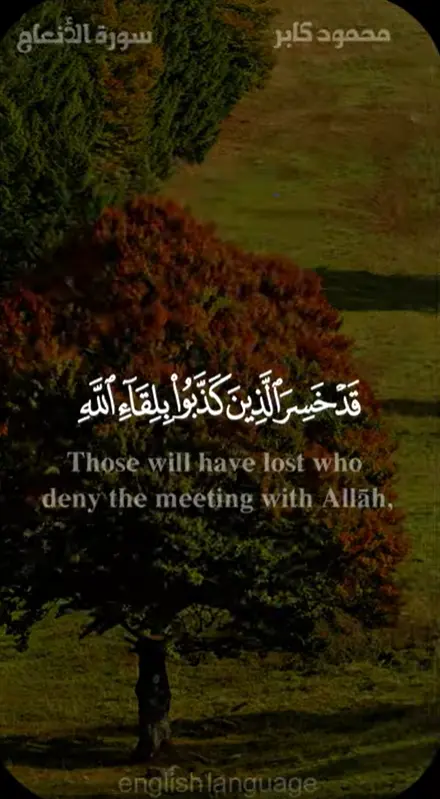
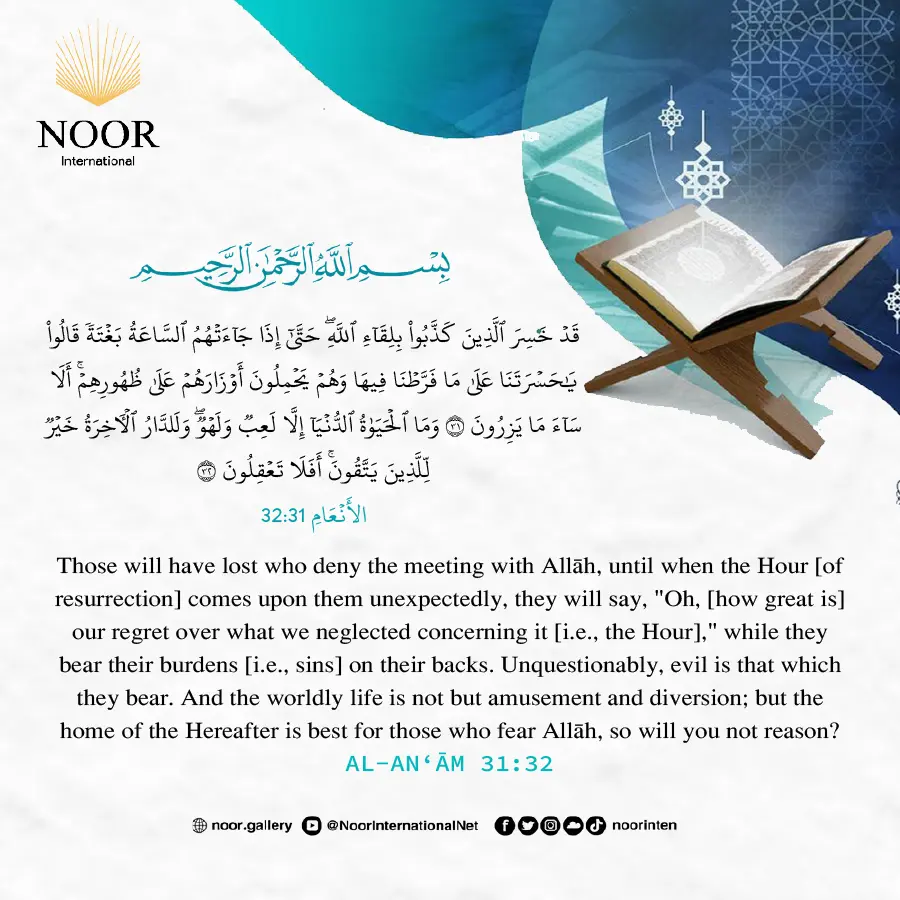
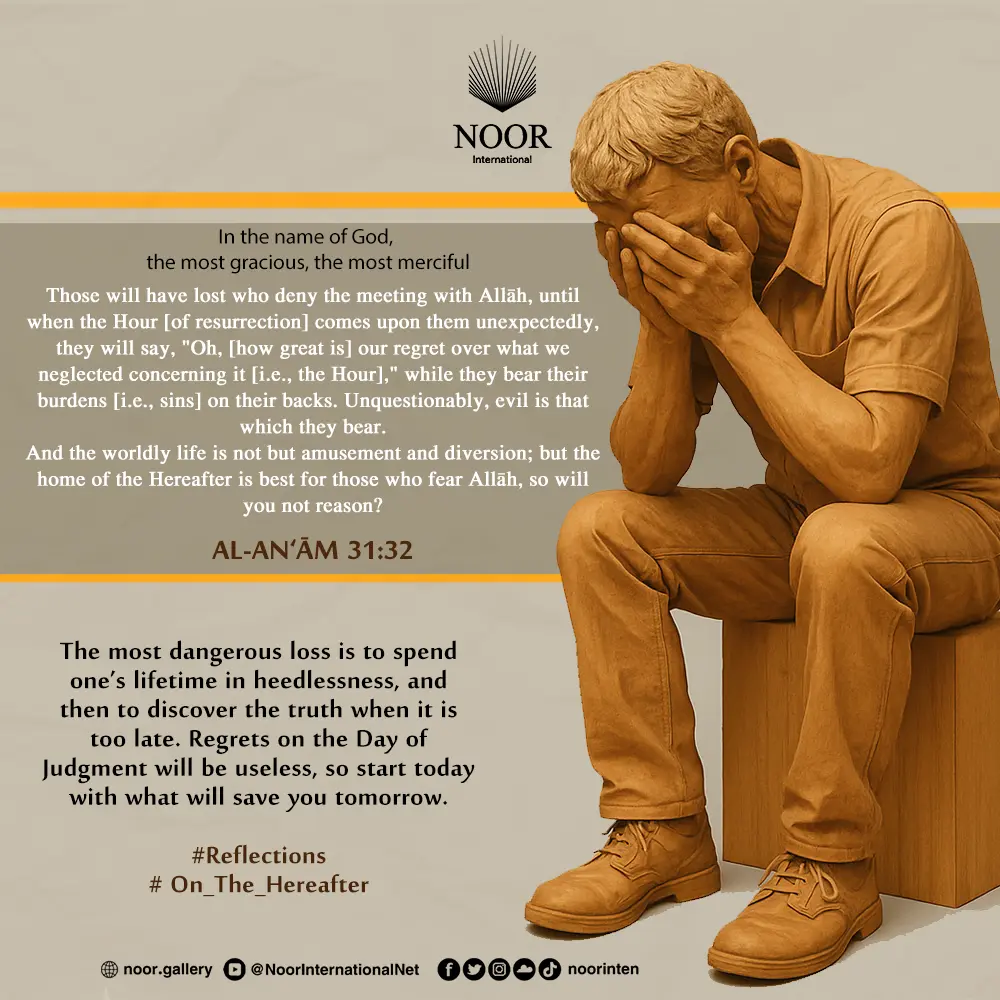
31. “Those will have lost who deny the meeting with Allah, until when
the Hour [of resurrection] comes upon them unexpectedly, they will
say, “Oh, [how great is] our regret over what we neglected
concerning it [i.e., the Hour],” while they bear their burdens [i.e.,
sins] on their backs. Unquestionably, evil is that which they bear.
32. And the worldly life is not but amusement and diversion; but the
home of the Hereafter is best for those who fear Allah, so will you
not reason?”[Al An’am: 31-32 ]
The most dangerous loss is to spend one’s lifetime in heedlessness, and then to discover the truth when it is too late. Regrets on the Day of Judgment will be useless, so start today with what will save you tomorrow.
31. “Those will have lost who deny the meeting with Allah, until when
the Hour [of resurrection] comes upon them unexpectedly, they will
say, “Oh, [how great is] our regret over what we neglected
concerning it [i.e., the Hour],” while they bear their burdens [i.e.,
sins] on their backs. Unquestionably, evil is that which they bear.
32. And the worldly life is not but amusement and diversion; but the
home of the Hereafter is best for those who fear Allah, so will you
not reason?”[Al An’am: 31-32 ]
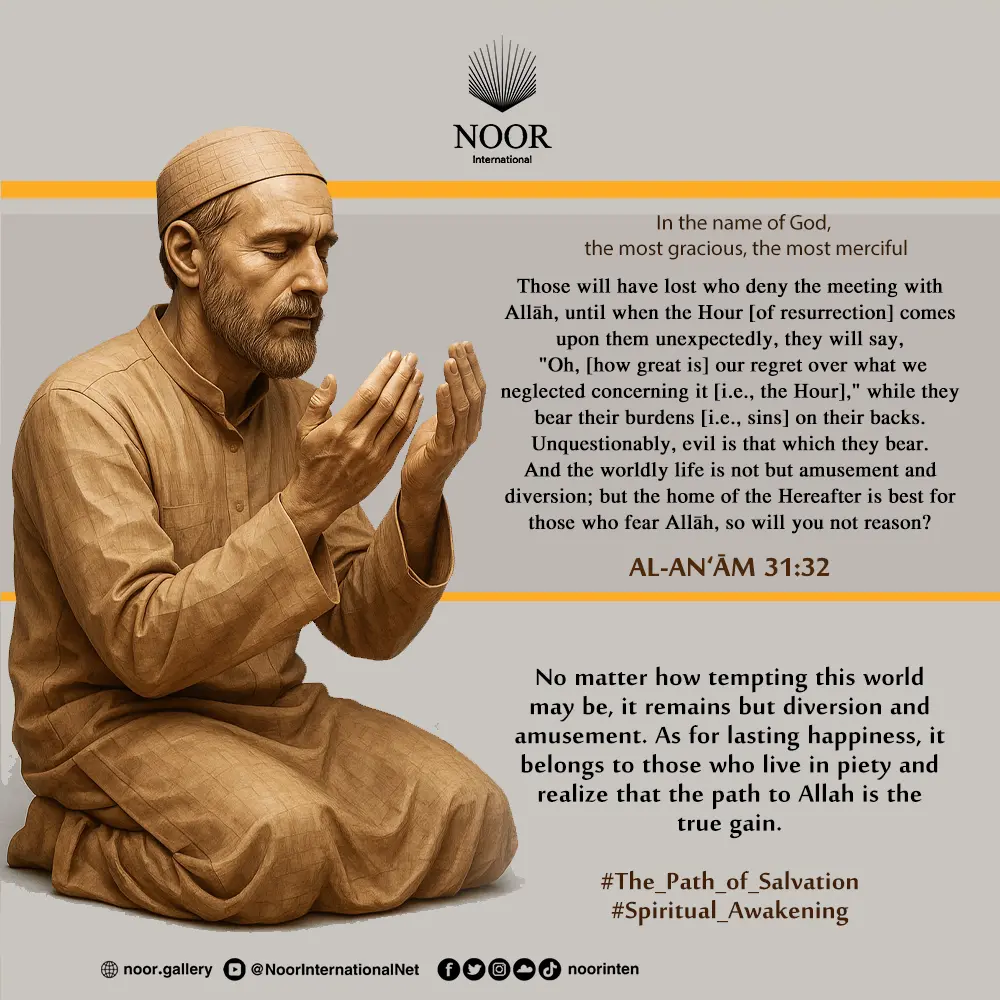
No matter how tempting this world may be, it remains but diversion and amusement. As for lasting happiness, it belongs to those who live in piety and realize that the path to Allah is the true gain.
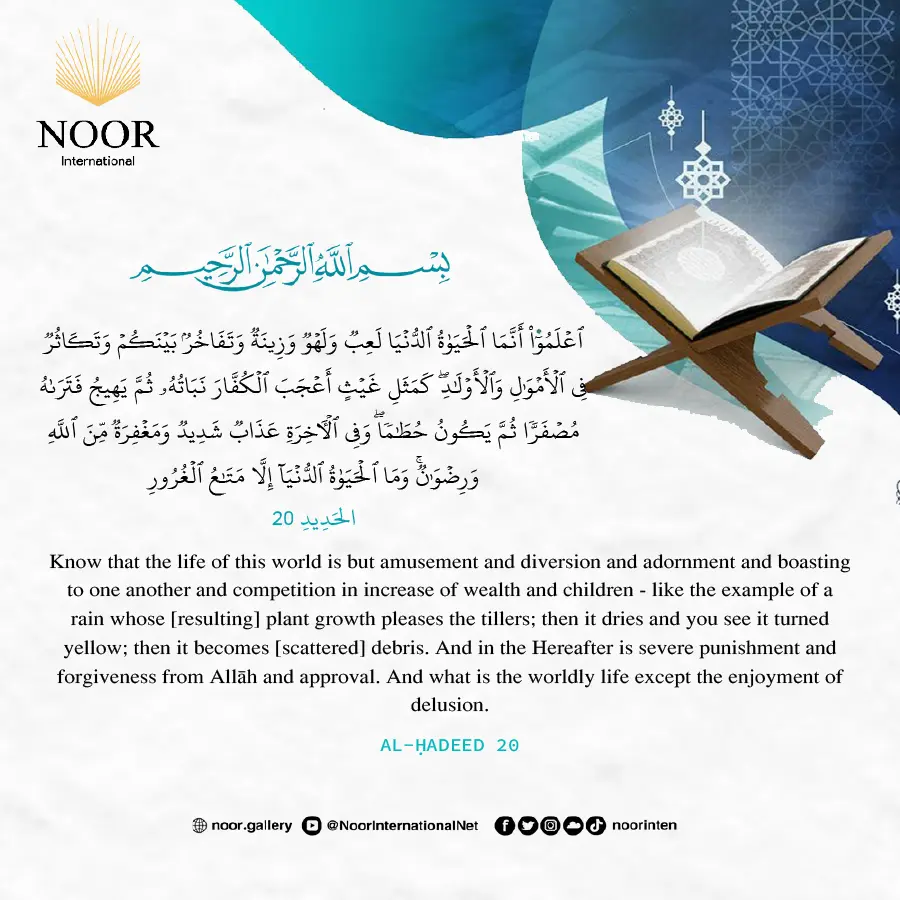
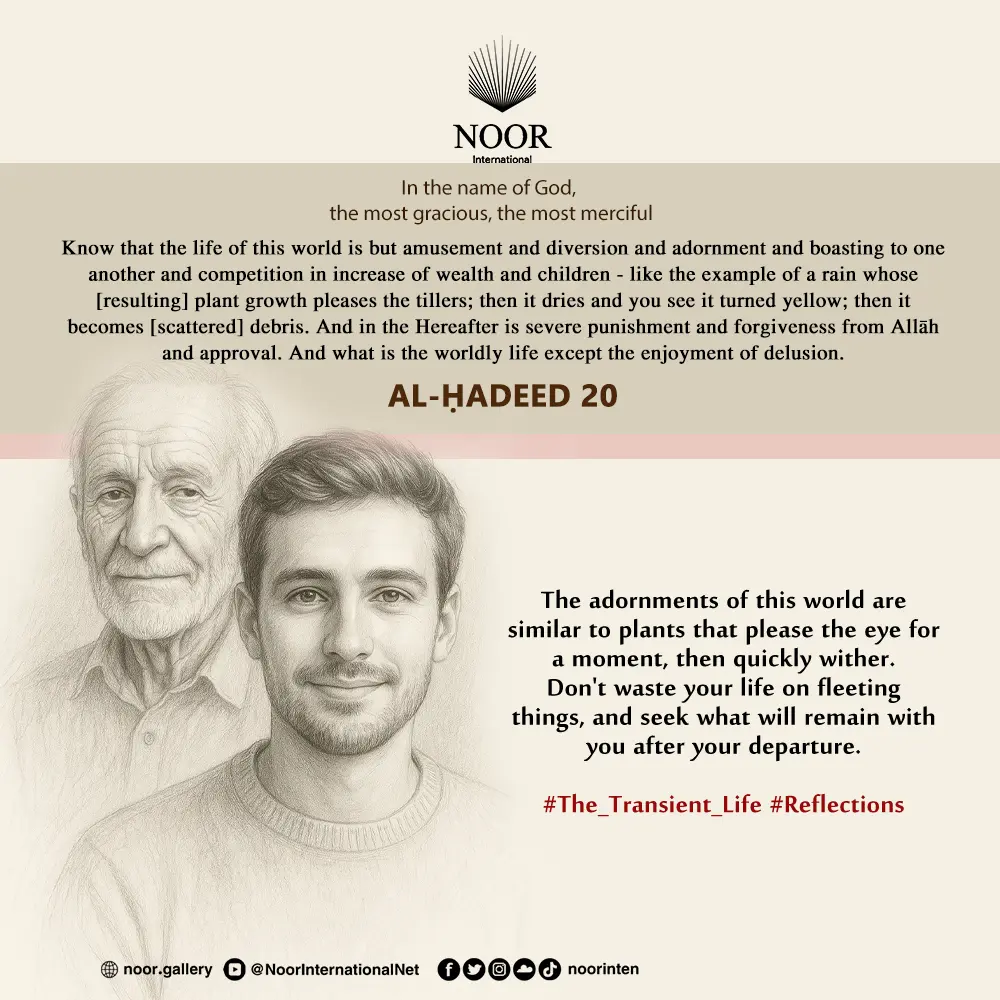
“Know that the life of this world is but amusement and diversion and adornment and boasting to one another and competition in increase of wealth and children – like the example of a rain whose [resulting] plant growth pleases the tillers; then it dries and you see it turned yellow; then it becomes [scattered] debris. And in the Hereafter is severe punishment and forgiveness from Allah and approval. And what is the worldly life except the enjoyment of delusion.” [Al-Hadid: 20]
The adornments of this world are similar to plants that please the eye for a moment, then quickly wither. Don't waste your life on fleeting things, and seek what will remain with you after your departure.
“Know that the life of this world is but amusement and diversion and adornment and boasting to one another and competition in increase of wealth and children – like the example of a rain whose [resulting] plant growth pleases the tillers; then it dries and you see it turned yellow; then it becomes [scattered] debris. And in the Hereafter is severe punishment and forgiveness from Allah and approval. And what is the worldly life except the enjoyment of delusion.” [Al-Hadid: 20]
Man is between two paths: temporary pleasures that distract the heart, or eternal forgiveness and satisfaction. So ask yourself: Which path will you choose?
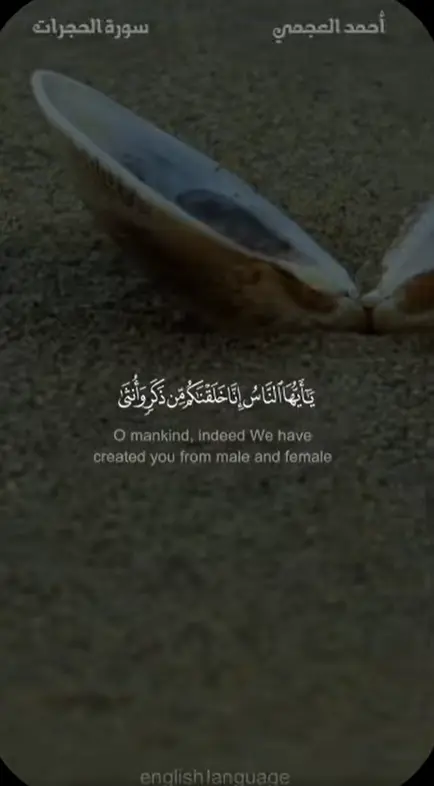
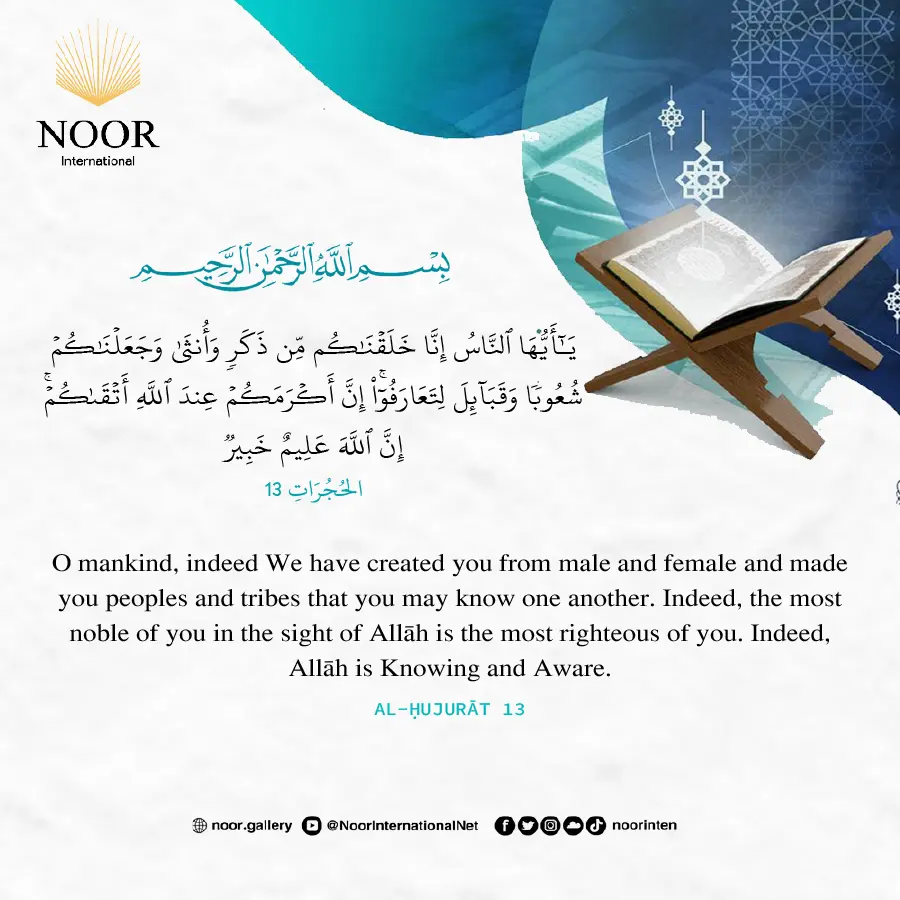
O mankind, indeed We have created you from male and female and made you peoples and tribes that you may know one another. Indeed, the most noble of you in the sight of Allah is the most righteous of you. Indeed, Allah is Knowing and Aware.
[Al-Hujurat: 13].
The differences between people in terms of color and race are not a reason for discrimination or separation, but rather a means of getting to know and complete each other. True value lies in purity of heart and fear of Allah.
O mankind, indeed We have created you from male and female and made you peoples and tribes that you may know one another. Indeed, the most noble of you in the sight of Allah is the most righteous of you. Indeed, Allah is Knowing and Aware.
[Al-Hujurat: 13].
A person is not elevated by his lineage, wealth, or looks, but rather by his sincerity with Allah and his piety. The scales of Heaven are different from those of earth.
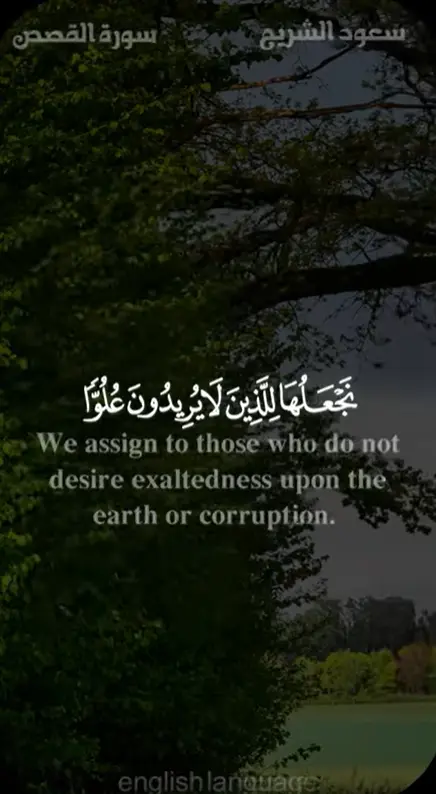
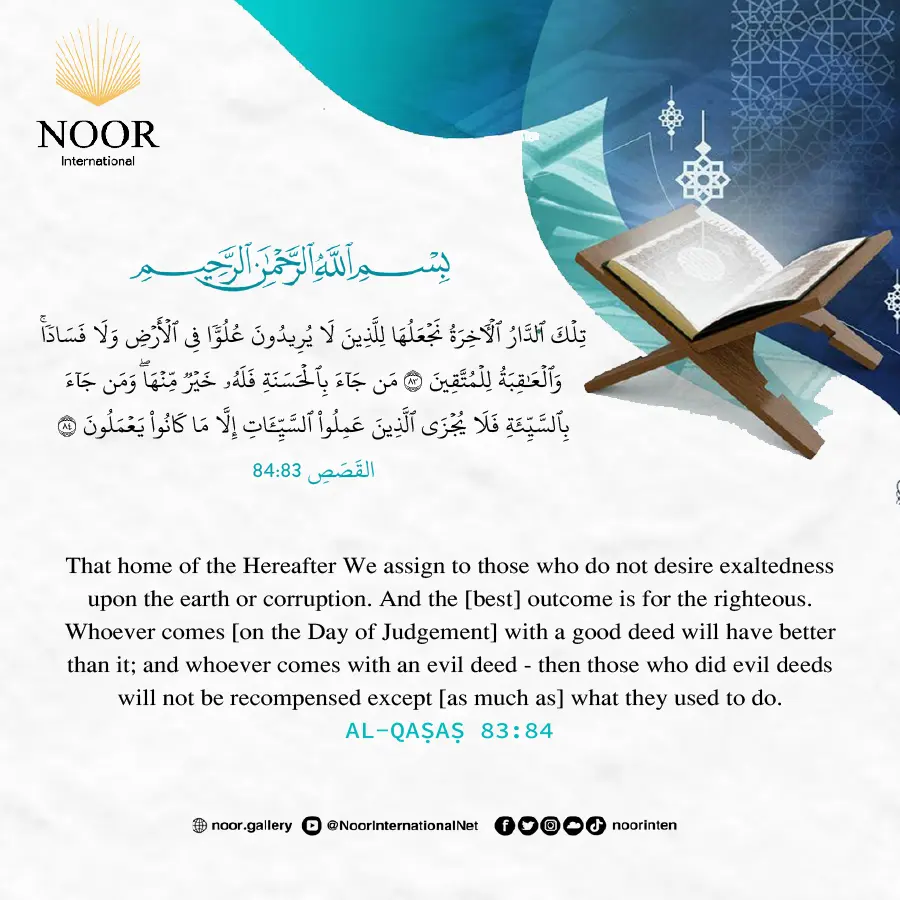
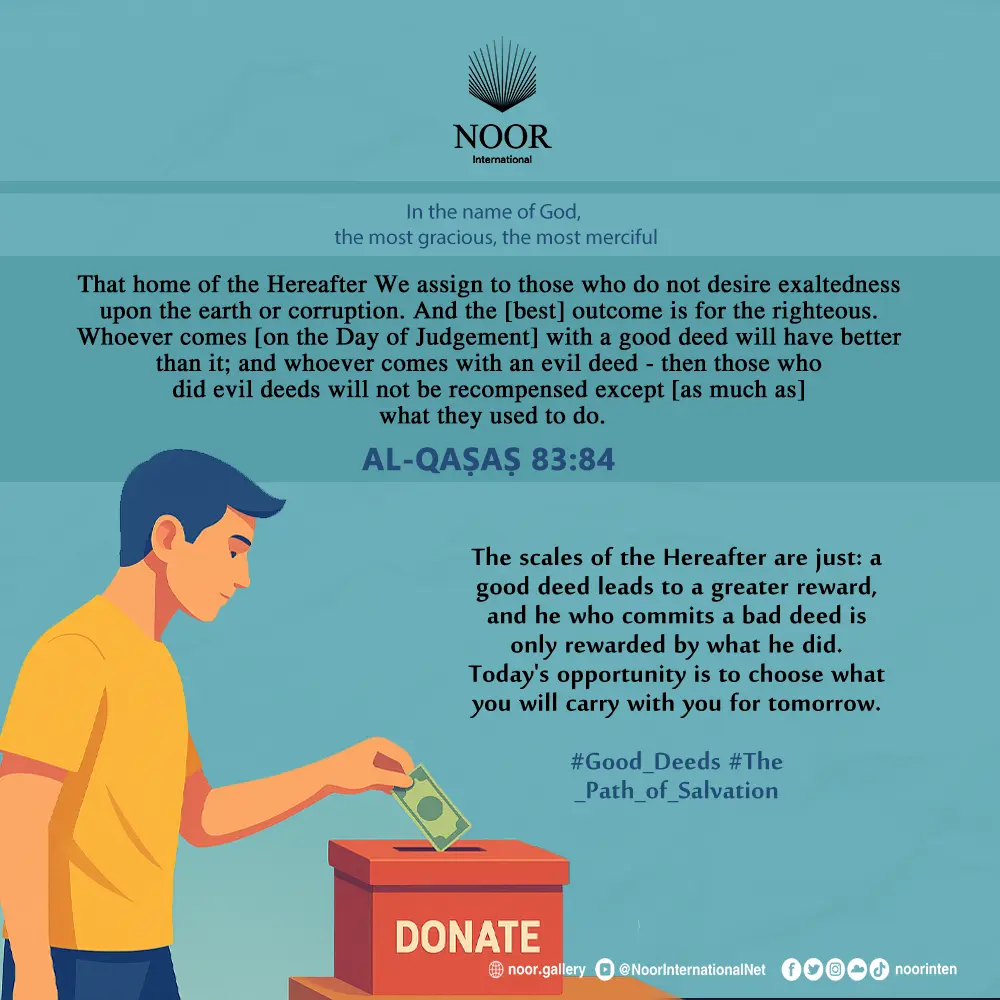
83. “That home of the Hereafter We assign to those who do not desire
exaltedness upon the earth or corruption. And the [best] outcome is
for the righteous.
84. Whoever comes [on the Day of Judgment] with a good deed will
have better than it; and whoever comes with an evil deed – then
those who did evil deeds will not be recompensed except [as much
as] what they used to do.”
[Al Qasas:83-84]
The Eternal Abode is not for the arrogant or the corrupt, it is rather for those whose hearts are humble and who fear their Lord. There, true status shall be known.
83. “That home of the Hereafter We assign to those who do not desire
exaltedness upon the earth or corruption. And the [best] outcome is
for the righteous.
84. Whoever comes [on the Day of Judgment] with a good deed will
have better than it; and whoever comes with an evil deed – then
those who did evil deeds will not be recompensed except [as much
as] what they used to do.”
[Al Qasas:83-84]
The scales of the Hereafter are just: a good deed leads to a greater reward, and he who commits a bad deed is only rewarded by what he did. Today's opportunity is to choose what you will carry with you for tomorrow.
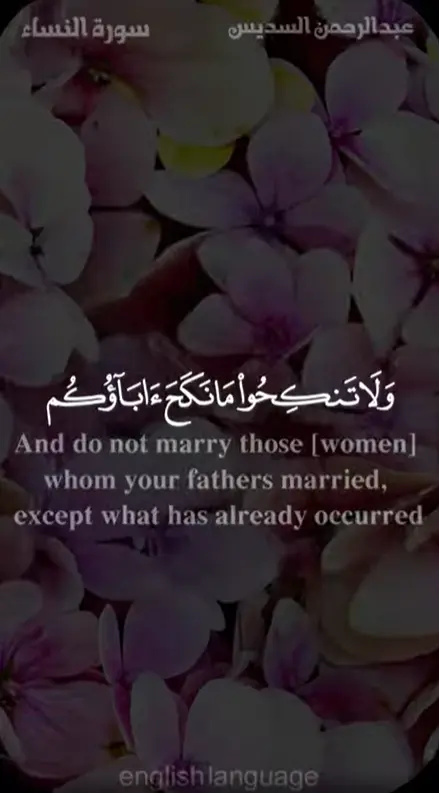
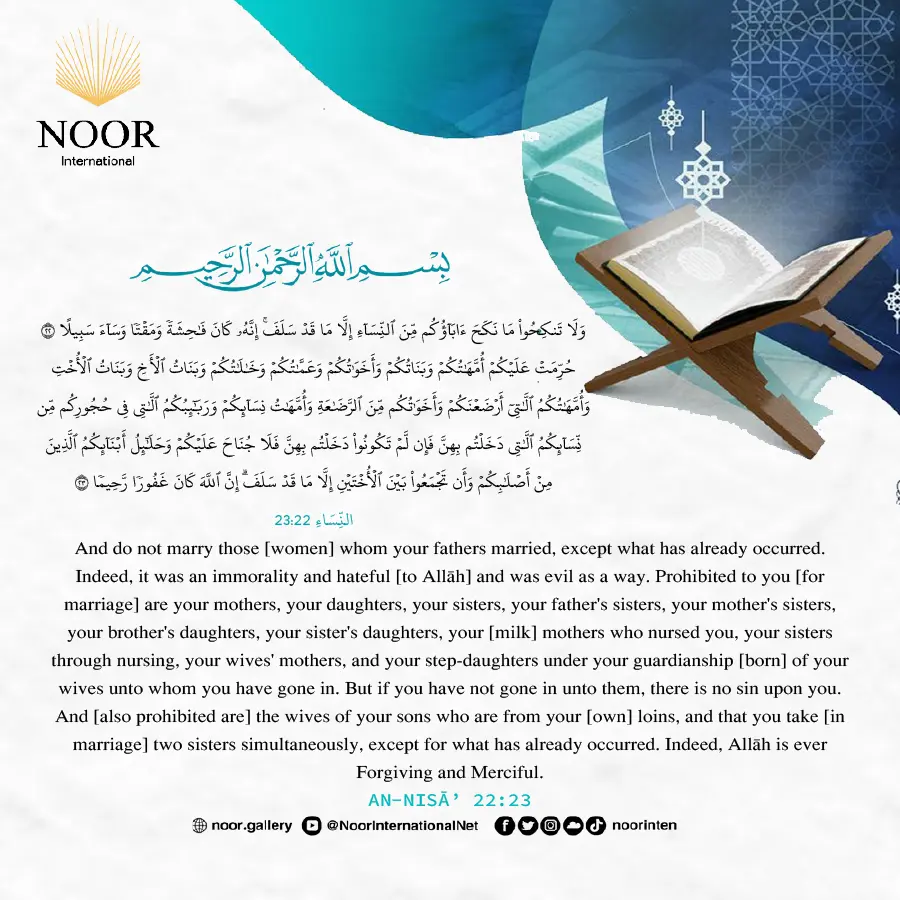
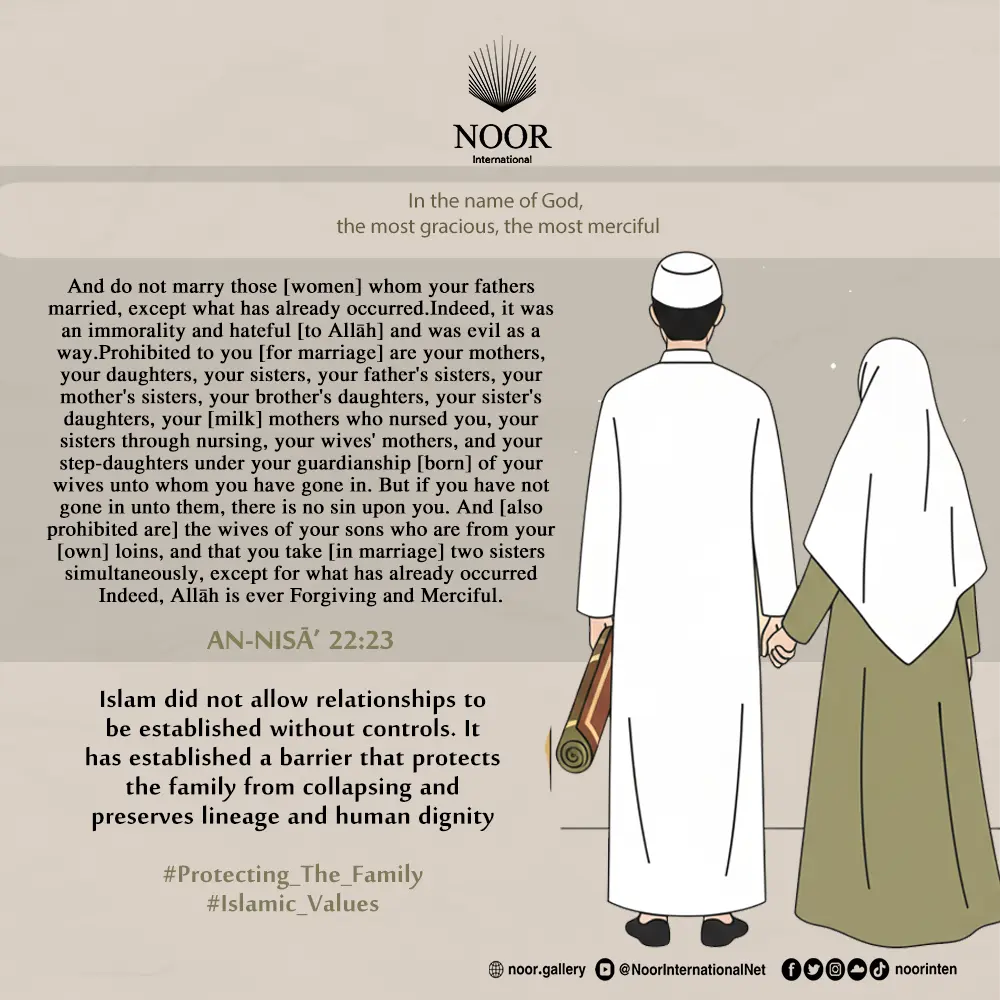
22. “And do not marry those [women] whom your fathers married, except what has already occurred. Indeed, it was an immorality and hateful [to Allah] and was evil as a way. 23. “Prohibited to you [for marriage] are your mothers, your daughters, your sisters, your father’s sisters, your mother’s sisters, your brother’s daughters, your sister’s daughters, your [milk] mothers who nursed you, your sisters through nursing, your wives’ mothers, and your step-daughters under your guardianship [born] of your wives unto whom you have gone in. But if you have not gone in unto them, there is no sin upon you. And [also prohibited are] the wives of your sons who are from your [own] loins, and that you take [in marriage] two sisters simultaneously, except for what has already occurred. Indeed, Allah is ever Forgiving and Merciful.” [An-Nisa: 22-23]
Islam did not allow relationships to be established without controls. It has established a barrier that protects the family from collapsing and preserves lineage and human dignity.
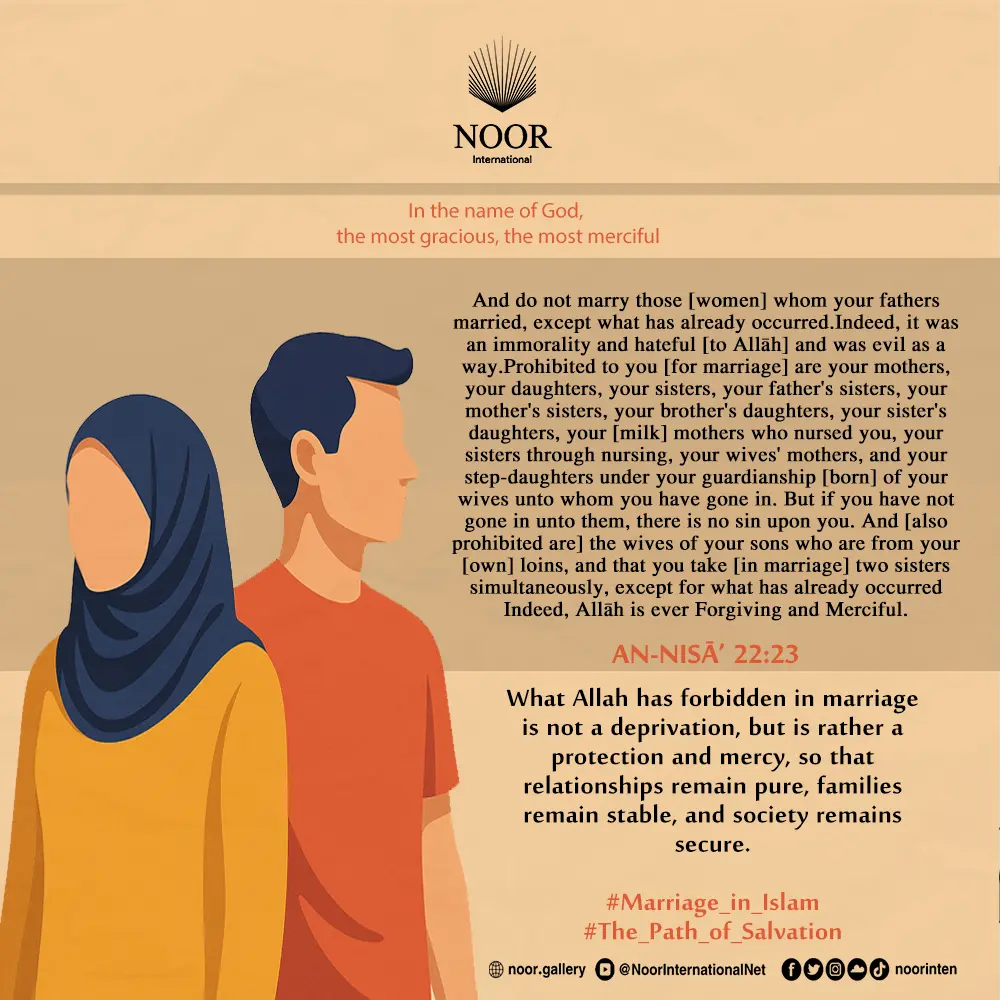
22. “And do not marry those [women] whom your fathers married, except what has already occurred. Indeed, it was an immorality and hateful [to Allah] and was evil as a way. 23. “Prohibited to you [for marriage] are your mothers, your daughters, your sisters, your father’s sisters, your mother’s sisters, your brother’s daughters, your sister’s daughters, your [milk] mothers who nursed you, your sisters through nursing, your wives’ mothers, and your step-daughters under your guardianship [born] of your wives unto whom you have gone in. But if you have not gone in unto them, there is no sin upon you. And [also prohibited are] the wives of your sons who are from your [own] loins, and that you take [in marriage] two sisters simultaneously, except for what has already occurred. Indeed, Allah is ever Forgiving and Merciful.” [An-Nisa: 22-23]
What Allah has forbidden in marriage is not a deprivation, but is rather a protection and mercy, so that relationships remain pure, families remain stable, and society remains secure.
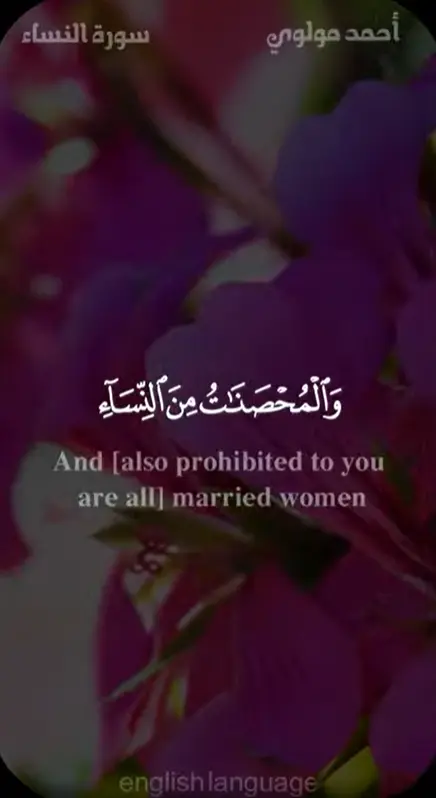
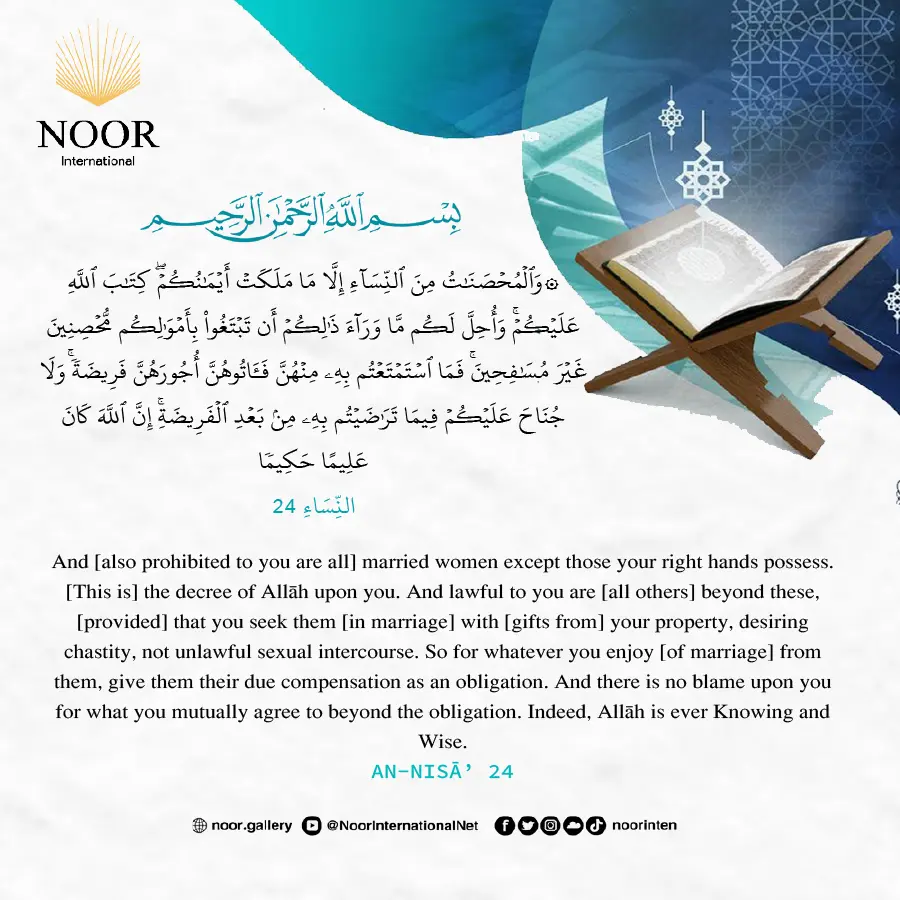
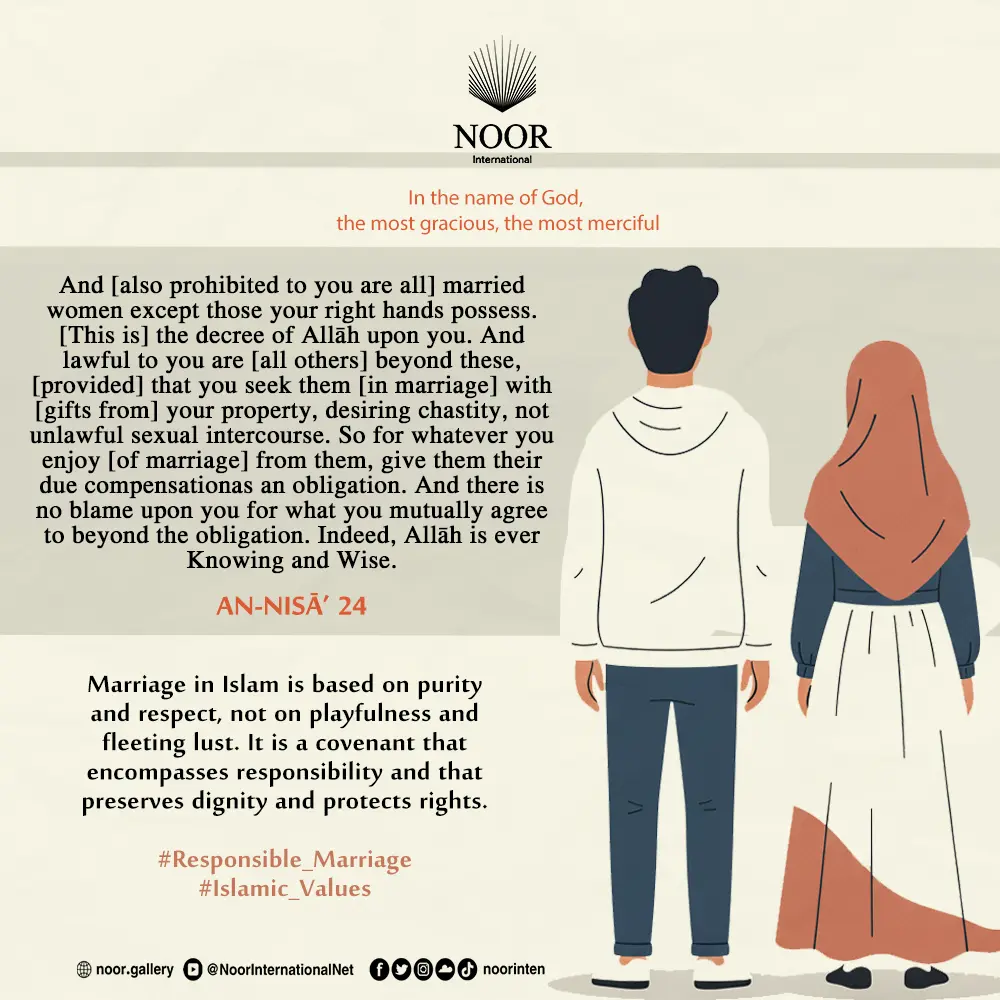
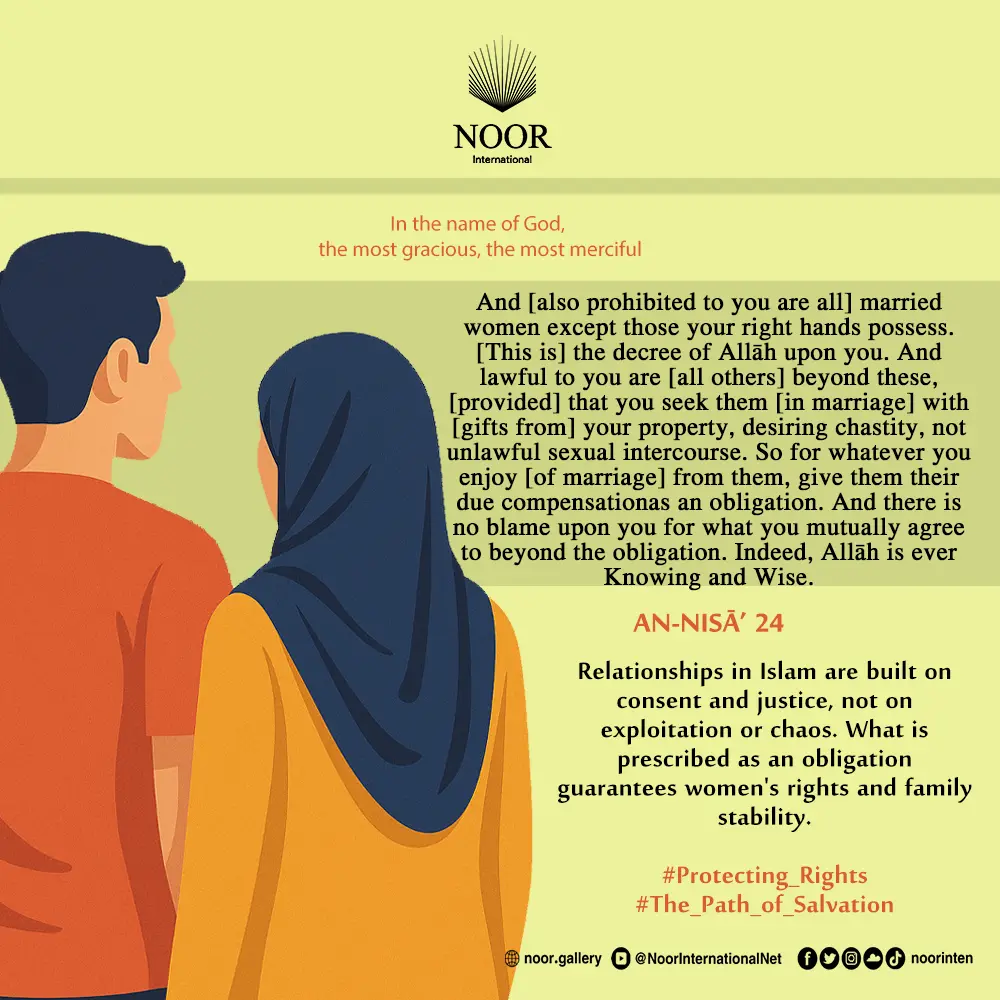
“And [also prohibited to you are all] married women except those your right hands possess. [This is] the decree of Allah upon you. And lawful to you are [all others] beyond these, [provided] that you seek them [in marriage] with [gifts from] your property, desiring chastity, not unlawful sexual intercourse. So for whatever you enjoy [of marriage] from them, give them their due compensation as an obligation. And there is no blame upon you for what you mutually agree to beyond the obligation. Indeed, Allah is ever Knowing and Wise.” [An-Nisa: 24]
Marriage in Islam is based on purity and respect, not on playfulness and fleeting lust. It is a covenant that encompasses responsibility and that preserves dignity and protects rights.
“And [also prohibited to you are all] married women except those your right hands possess. [This is] the decree of Allah upon you. And lawful to you are [all others] beyond these, [provided] that you seek them [in marriage] with [gifts from] your property, desiring chastity, not unlawful sexual intercourse. So for whatever you enjoy [of marriage] from them, give them their due compensation as an obligation. And there is no blame upon you for what you mutually agree to beyond the obligation. Indeed, Allah is ever Knowing and Wise.” [An-Nisa: 24]
Relationships in Islam are built on consent and justice, not on exploitation or chaos. What is prescribed as an obligation guarantees women's rights and family stability.
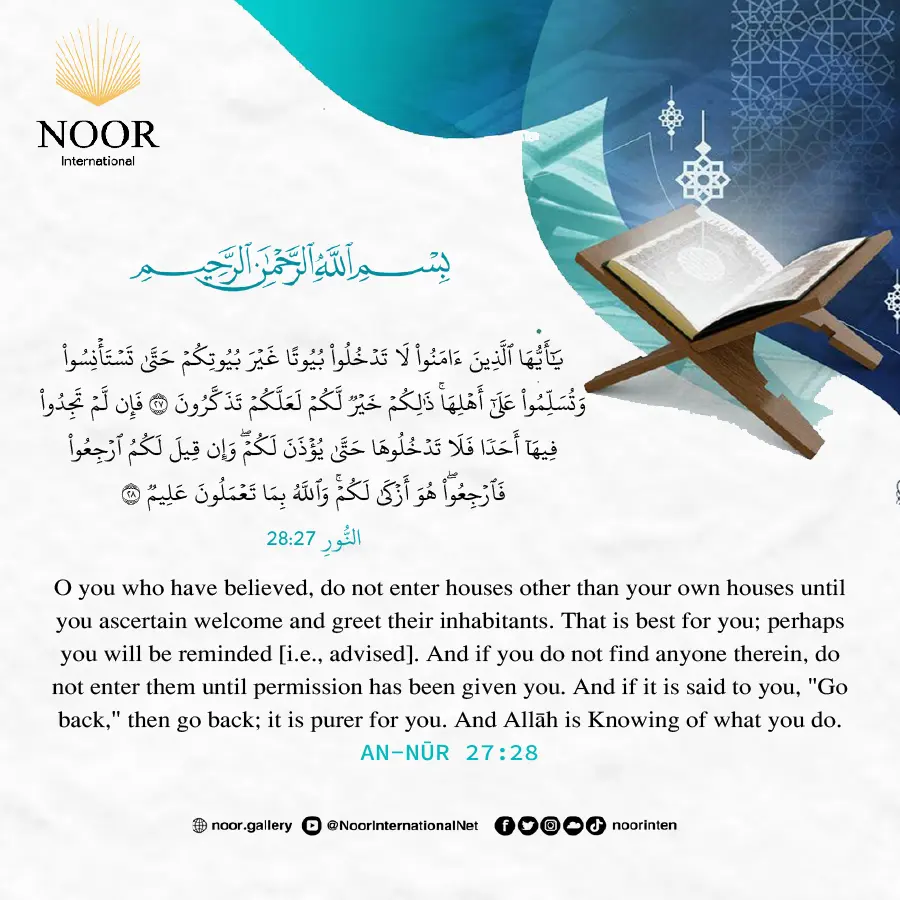
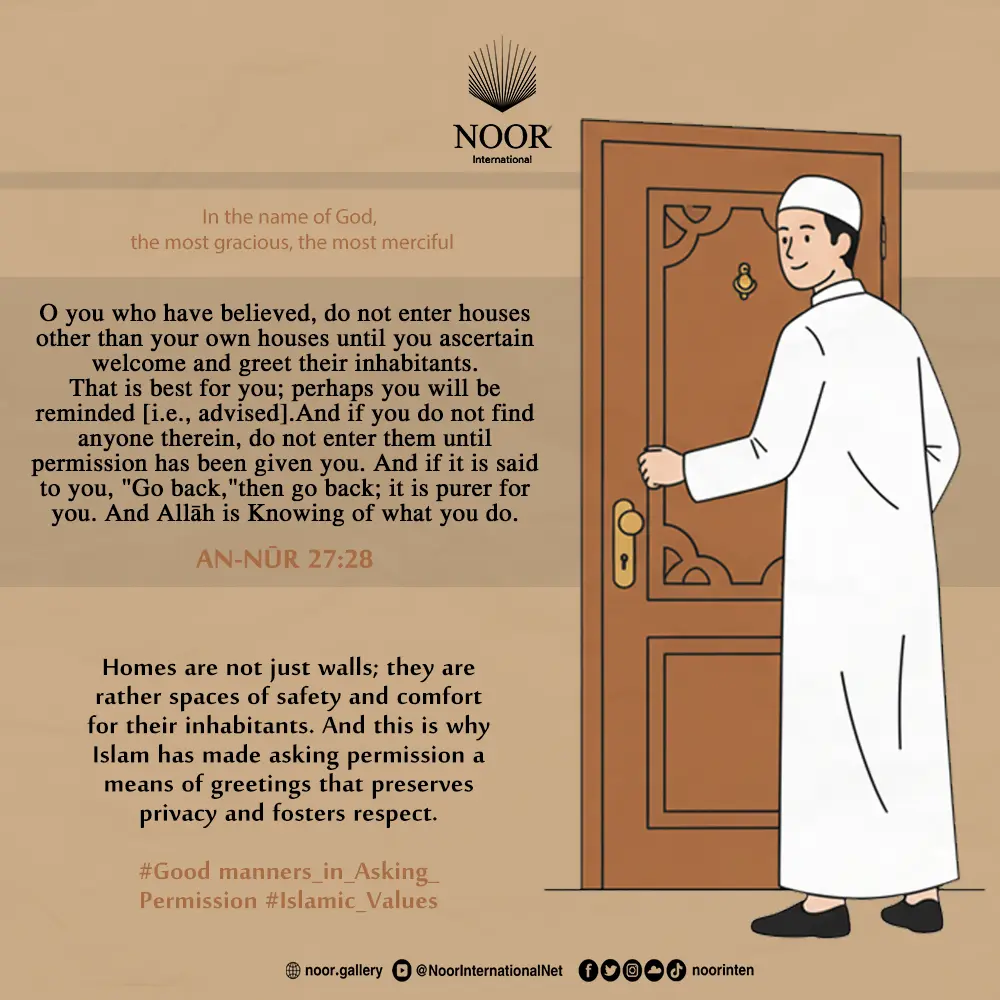
27.“O you who have believed, do not enter houses other than your
own houses until you ascertain welcome and greet their inhabitants. That is best for you; perhaps you will be reminded.
28. And if you do not find anyone therein, do not enter them until permission has been given you. And if it is said to you, “Go back,” then go back; it is purer for you. ”[An-Nur: 27-28]
Homes are not just walls; they are rather spaces of safety and comfort for their inhabitants. And this is why Islam has made asking permission a means of greetings that preserves privacy and fosters respect.
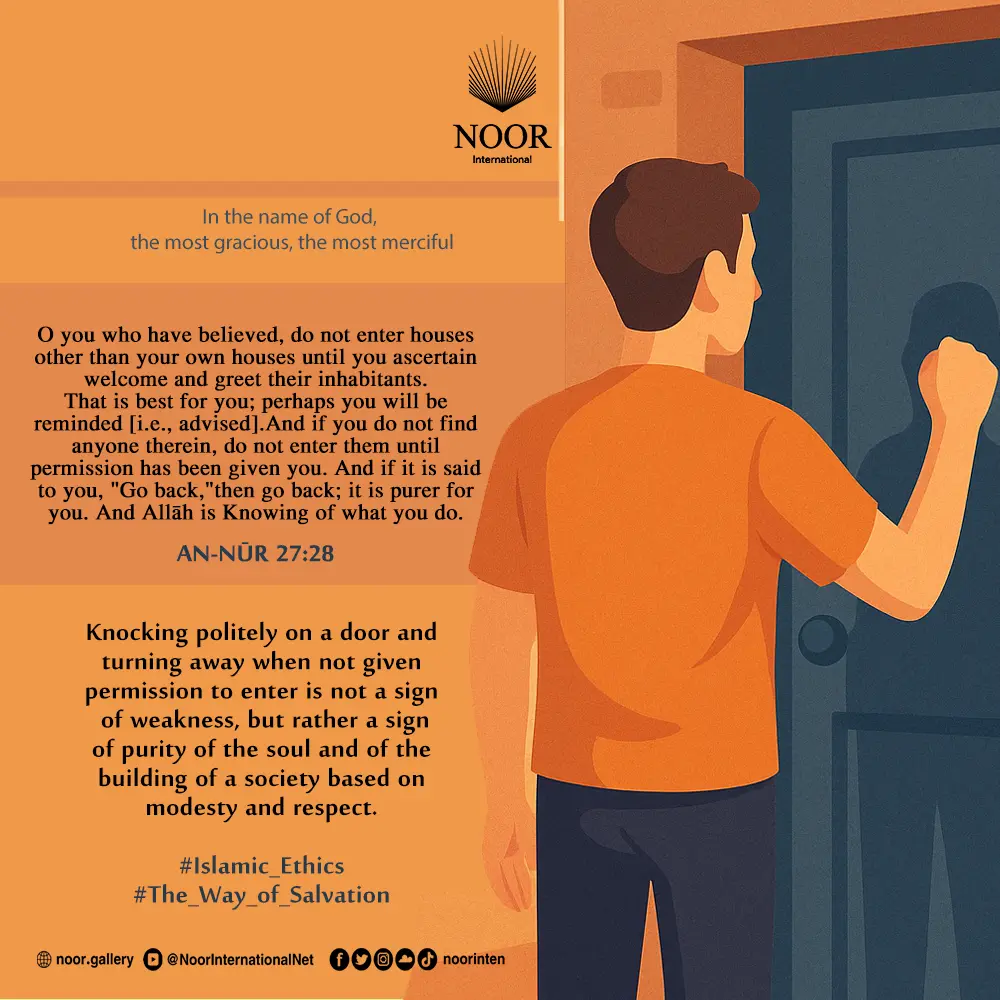
27.“O you who have believed, do not enter houses other than your
own houses until you ascertain welcome and greet their inhabitants. That is best for you; perhaps you will be reminded.
28. And if you do not find anyone therein, do not enter them until permission has been given you. And if it is said to you, “Go back,” then go back; it is purer for you. ”[An-Nur: 27-28]
Knocking politely on a door and turning away when not given permission to enter is not a sign of weakness, but rather a sign of purity of the soul and of the building of a society based on modesty and respect.
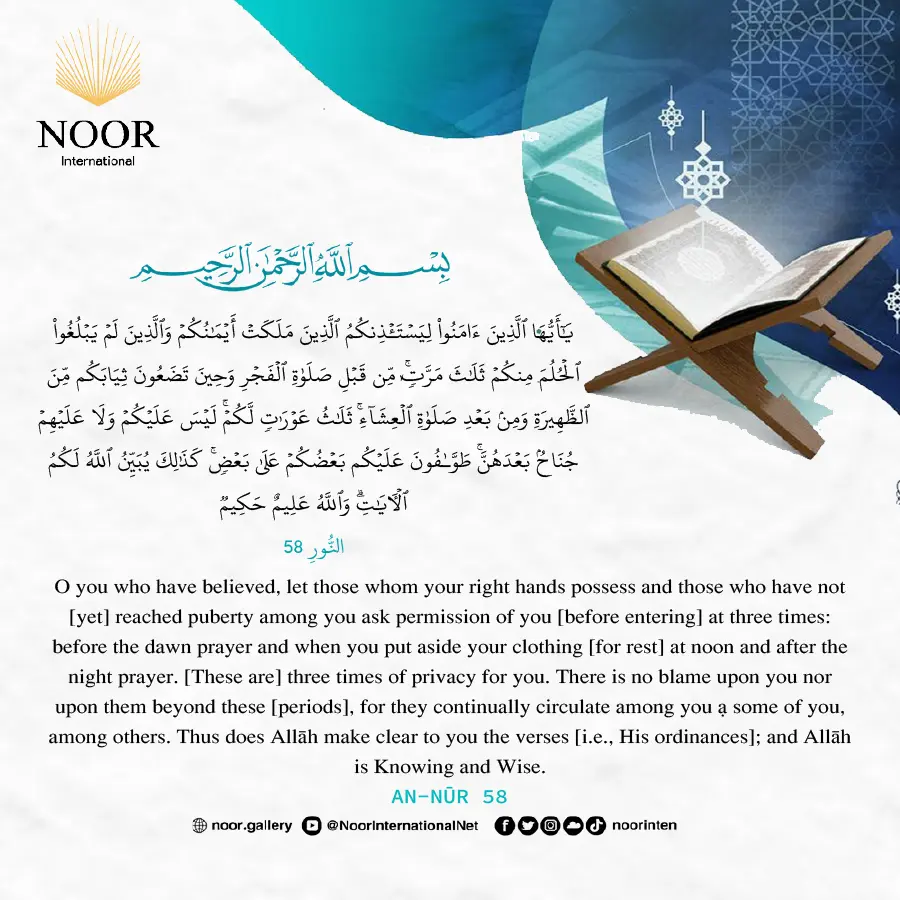
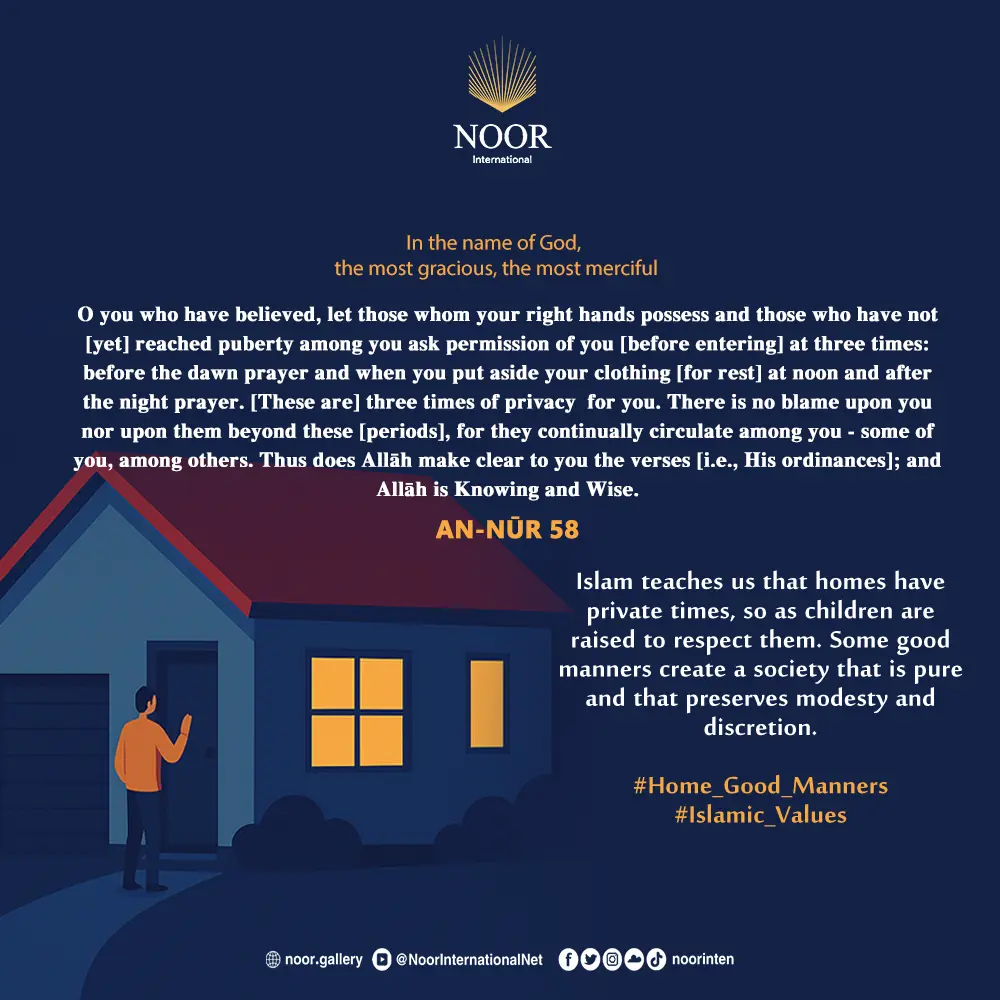
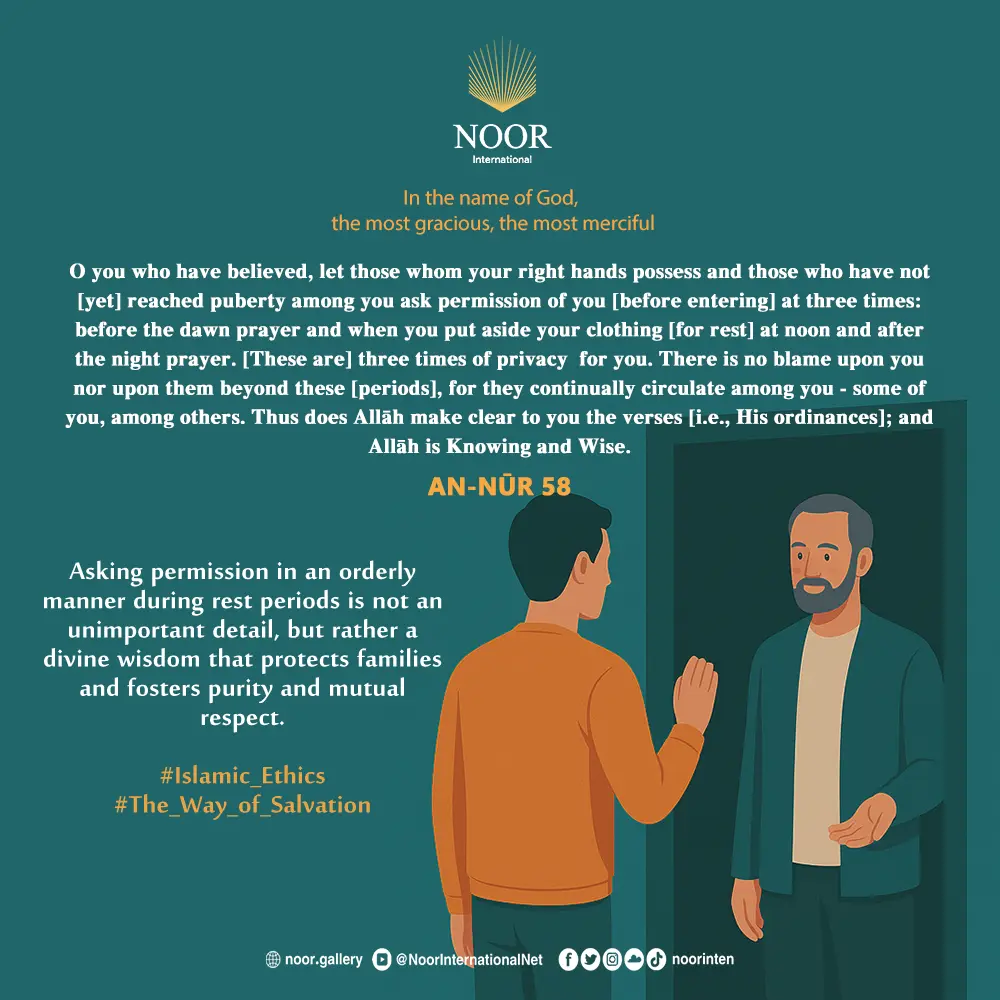
O you who have believed, let those whom your right hands possess
and those who have not [yet] reached puberty among you ask
permission of you [before entering] at three times: before the dawn
prayer and when you put aside your clothing [for rest] at noon and
after the night prayer. [These are] three times of privacy for you.
There is no blame upon you nor upon them beyond these [periods],
for they continually circulate among you – some of you, among
others. Thus does Allah make clear to you the verses [i.e., His ordinances]; and Allah is Knowing and Wise.” [An-Nur: 58]
Islam teaches us that homes have private times, so as children are raised to respect them. Some good manners create a society that is pure and that preserves modesty and discretion.
O you who have believed, let those whom your right hands possess
and those who have not [yet] reached puberty among you ask
permission of you [before entering] at three times: before the dawn
prayer and when you put aside your clothing [for rest] at noon and
after the night prayer. [These are] three times of privacy for you.
There is no blame upon you nor upon them beyond these [periods],
for they continually circulate among you – some of you, among
others. Thus does Allah make clear to you the verses [i.e., His ordinances]; and Allah is Knowing and Wise.” [An-Nur: 58]
Asking permission in an orderly manner during rest periods is not an unimportant detail, but rather a divine wisdom that protects families and fosters purity and mutual respect.
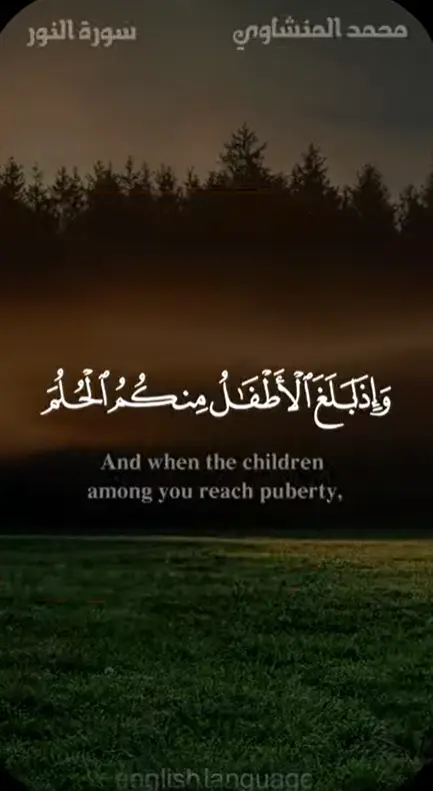
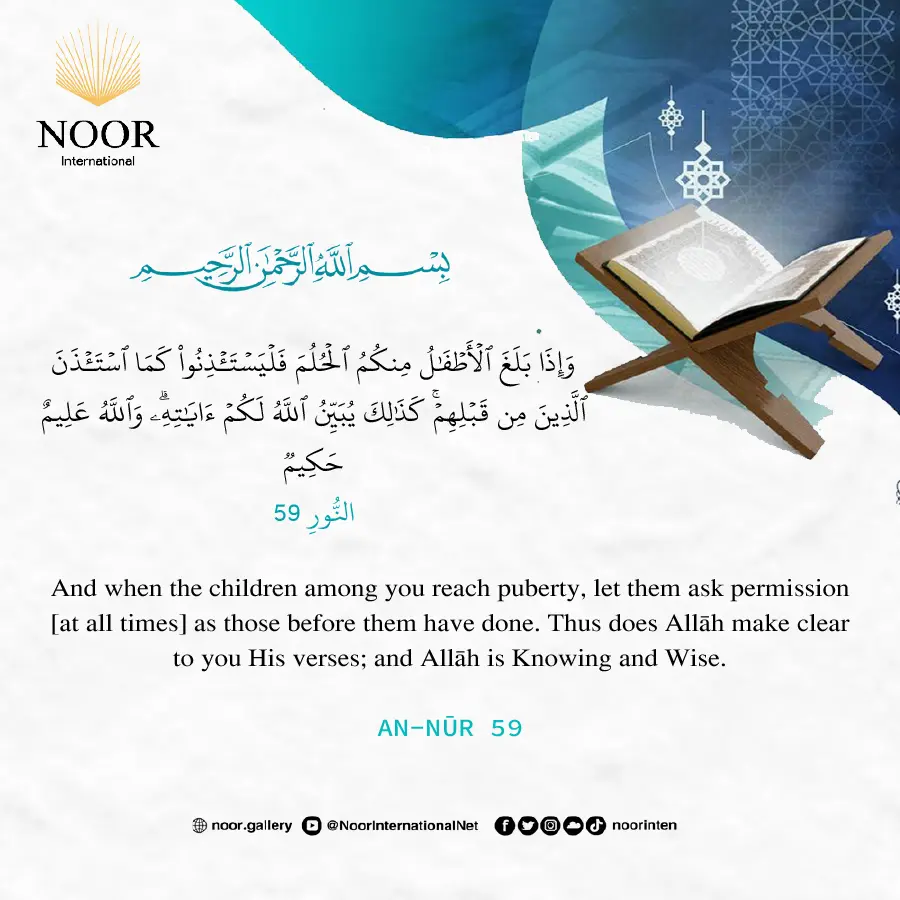
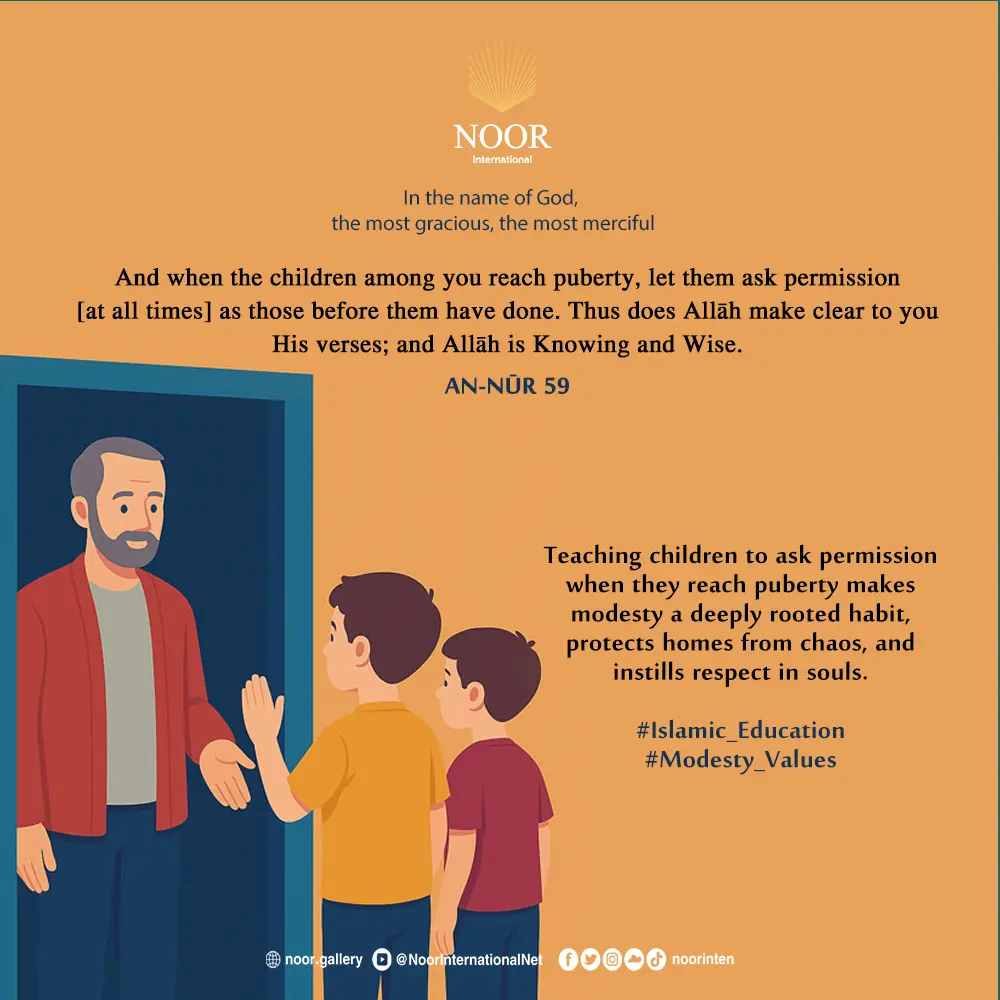
“And when the children among you reach puberty, let them ask permission [at all times] as those before them have done. Thus does Allah make clear to you His verses; and Allah is Knowing and Wise.”[An-Nur: 59]
Teaching children to ask permission when they reach puberty makes modesty a deeply rooted habit, protects homes from chaos, and instills respect in souls.
“And when the children among you reach puberty, let them ask permission [at all times] as those before them have done. Thus does Allah make clear to you His verses; and Allah is Knowing and Wise.”[An-Nur: 59]
Asking permission is not just a social behavior; it is an upbringing based on faith that teaches children how to respect the privacy of others from a young age.